Preventive Maintenance Checklist for Home Appliances
Regular maintenance of household appliances is a practical approach to support their efficient operation and potentially extend their service life. Refrigerators, washing machines, and dishwashers are significant investments in any home, and their performance can be influenced by how well they are cared for over time. This article outlines a monthly and seasonal checklist that can be integrated into household routines, with the aim of identifying minor issues before they develop into more complex problems.
While no maintenance schedule can guarantee that an appliance will never require repair, consistent attention to basic tasks may help reduce the likelihood of certain common faults. The checks described here are generally straightforward and do not require specialised tools or technical expertise. They focus on cleaning, inspection, and simple operational adjustments that align with the manufacturer’s recommendations.
It is important to note that the effectiveness of any maintenance routine can vary depending on factors such as appliance model, usage patterns, water hardness, and the specific environment in which the appliance operates. Therefore, the following suggestions are intended as general guidance rather than a definitive protocol. Always consult the appliance manual for model-specific instructions and safety information.
Monthly Maintenance Tasks for Refrigerators
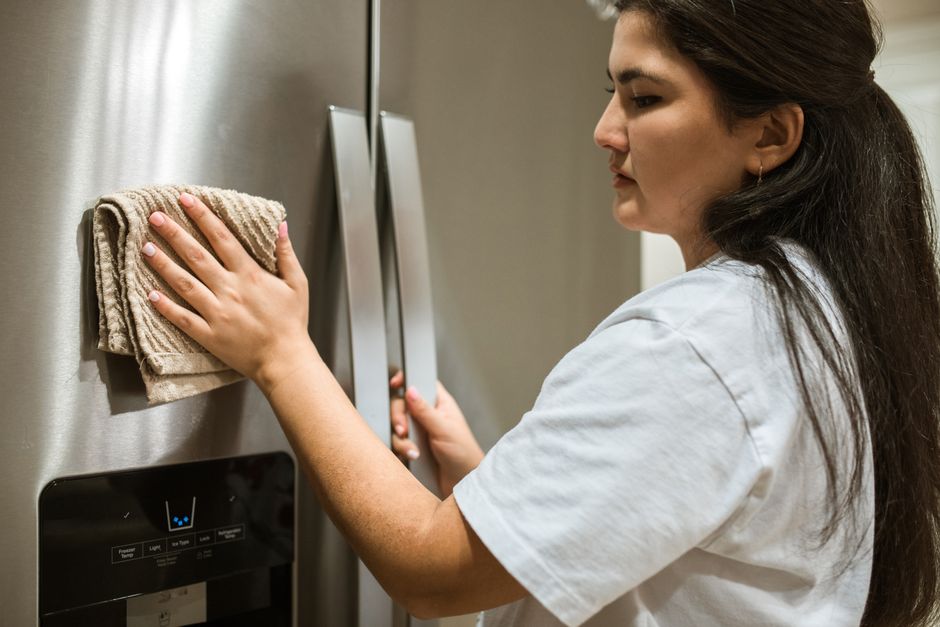
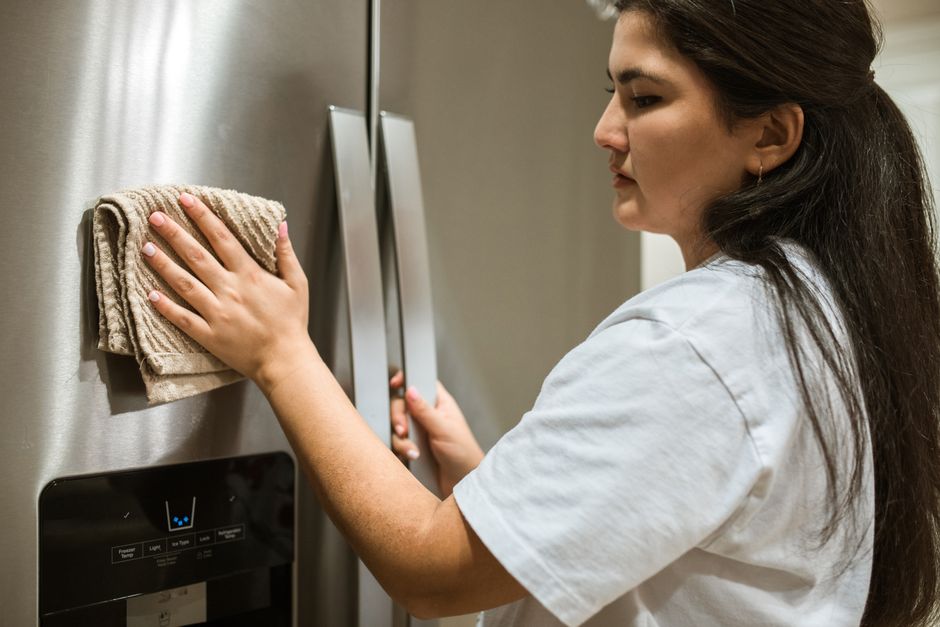
Refrigerators operate continuously, making them one of the most hardworking appliances in the home. A few minutes each month dedicated to basic checks can help maintain their efficiency. Start by inspecting the door seals: close the door on a piece of paper and see if it holds; if it slides out easily, the seal may need cleaning or replacement. Wipe the seals with a damp cloth to remove crumbs and spills, which can compromise the seal’s integrity.
Next, clean the condenser coils if they are accessible. These coils are typically located at the back or bottom of the refrigerator. Dust and debris can accumulate, reducing the appliance’s ability to dissipate heat. Using a vacuum brush attachment or a coil cleaning brush, gently remove dust. This task may be performed every few months, but a monthly check ensures that excessive buildup does not occur.
Check the interior temperature with a thermometer to ensure it is within the recommended range—usually between 3°C and 5°C for the fridge compartment. Adjust the thermostat if necessary. Additionally, inspect the door gaskets for cracks or tears, and clean the interior shelves and drawers to prevent odours and bacterial growth. These simple actions contribute to the appliance running smoothly.
Monthly Maintenance Tasks for Washing Machines
Washing machines require attention to both the drum and the external components. Each month, run an empty hot water cycle with a cup of white vinegar or a specialised washing machine cleaner. This helps remove detergent residue, mildew, and odours that can develop over time. After the cycle, wipe the door seal and glass to prevent mould growth, especially in front-loading models.
Inspect the water inlet hoses for leaks, cracks, or bulges. These hoses are under constant pressure and can deteriorate. If any damage is visible, consider replacing them as a precaution. Also, clean the lint filter if your machine has one—typically located near the water inlet or in the drum. A clogged filter can affect drainage and performance.
Check the drain pump filter, usually found behind a small panel at the bottom front of the machine. Place a towel and a shallow container underneath to catch residual water, then unscrew the filter and remove any debris such as coins, buttons, or lint. Rinse it and reinsert. This task may need to be done more frequently if you wash items that shed a lot of lint.
Monthly Maintenance Tasks for Dishwashers
Dishwashers benefit from monthly cleaning to prevent food particles and grease from accumulating. Start by removing and cleaning the filter assembly at the bottom of the dishwasher. Rinse it under running water and use a soft brush to remove stubborn residue. Most manufacturers recommend this cleaning at least once a month.
Check the spray arms for blockages. Remove them if possible and use a toothpick or small brush to clear any holes that are clogged with food debris. Blocked spray arms can result in poor cleaning performance. Also, inspect the door gasket and wipe it with a damp cloth to remove food particles and ensure a proper seal.
Run a cleaning cycle with a dishwasher cleaner or a cup of white vinegar placed in a dishwasher-safe bowl on the top rack. This helps remove hard water deposits and odours. Additionally, check the rinse aid dispenser and refill it if necessary. Rinse aid helps water sheet off dishes, promoting faster drying and reducing spots.
Seasonal Maintenance for All Three Appliances
In addition to monthly tasks, certain seasonal checks can further support appliance longevity. For refrigerators, vacuum the condenser coils more thoroughly at the start of each season, especially if you have pets. Check the door seals again and clean them with a mild detergent solution. If the refrigerator has a water filter, replace it according to the manufacturer’s schedule—typically every six months.
For washing machines, inspect the water supply hoses and connections for any signs of wear. Consider replacing rubber hoses with stainless steel braided ones for added durability. Clean the detergent dispenser drawer by removing it and soaking it in warm soapy water. Also, check the machine’s level and adjust the feet if it wobbles, as an unbalanced machine can cause excessive vibration and wear.
For dishwashers, deep clean the interior with a vinegar solution and a soft brush, paying attention to the corners and edges. Inspect the door latch and hinges for smooth operation. If you have hard water, consider using a dishwasher descaler seasonally. Also, check the air gap (if installed) to ensure it is not clogged, as this can affect drainage.
General Tips and Safety Considerations
Before performing any maintenance, always unplug the appliance from the power source to avoid electric shock. For appliances connected to water, turn off the water supply before disconnecting any hoses. Use appropriate cleaning materials and avoid abrasive cleaners that can damage surfaces. Keep the appliance manual handy for specific instructions and warnings.
Maintain a log of maintenance tasks performed, including dates and any observations. This can be helpful for troubleshooting and for warranty purposes. If you notice any unusual noises, leaks, or error codes, consult a qualified technician. Attempting complex repairs without proper training may void warranties and lead to further damage.
Remember that maintenance is not a one-time event but an ongoing practice. By incorporating these simple tasks into your routine, you may help your appliances operate more efficiently and reduce the likelihood of unexpected breakdowns. However, results can vary based on usage and other factors, so professional servicing may still be necessary from time to time.