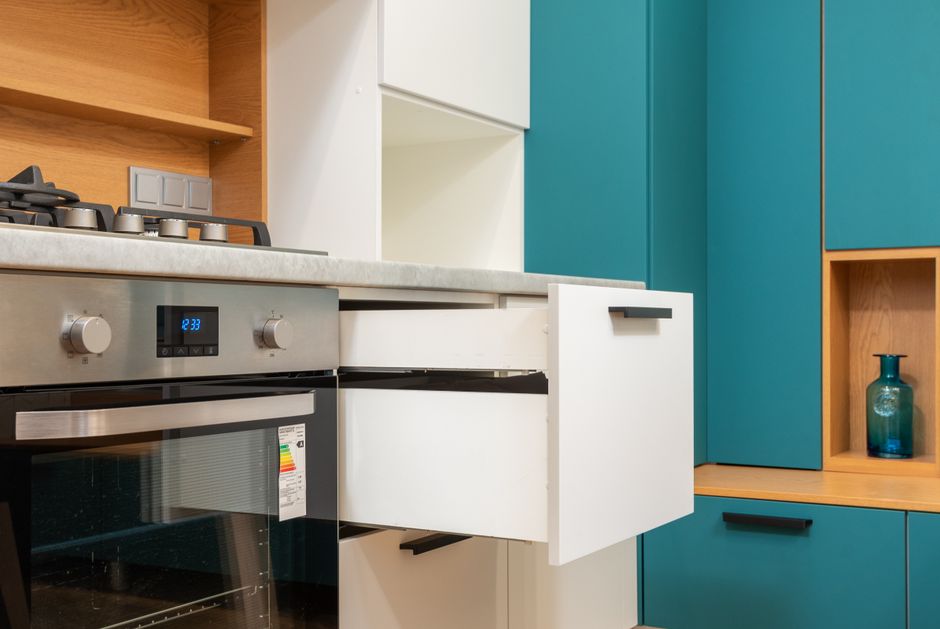
Kitchen cabinets often accumulate a layer of grease over time, especially in areas near the hob or oven. This build-up can be stubborn and may seem challenging to remove without harming the cabinet finish. Understanding the nature of grease and the types of surfaces involved is the first step towards an effective cleaning approach. Grease consists of hydrophobic molecules that adhere to surfaces, making it resistant to plain water. Over time, it can combine with dust and cooking vapours to form a sticky film that is difficult to wipe away. The method described here focuses on using natural degreasers that are gentle on finishes yet effective on grease. It is a specialist-tested process that prioritises surface care and gradual results. The approach is suitable for most common cabinet materials, including painted wood, laminate, and melamine, but always test in a small, inconspicuous area first.
Natural degreasers work by breaking down the bonds between grease and the surface. Common household ingredients such as vinegar, baking soda, and citrus-based solutions can be effective when used correctly. These agents are generally milder than harsh chemicals and reduce the risk of damage to finishes. However, their effectiveness can vary depending on the severity of the grease and the type of cabinet material. The process outlined below is systematic and aims to minimise the need for aggressive scrubbing. It is important to note that results depend on factors such as the age of the grease, the cabinet finish, and the frequency of cleaning. Consistent maintenance can prevent heavy build-up and make regular cleaning easier.
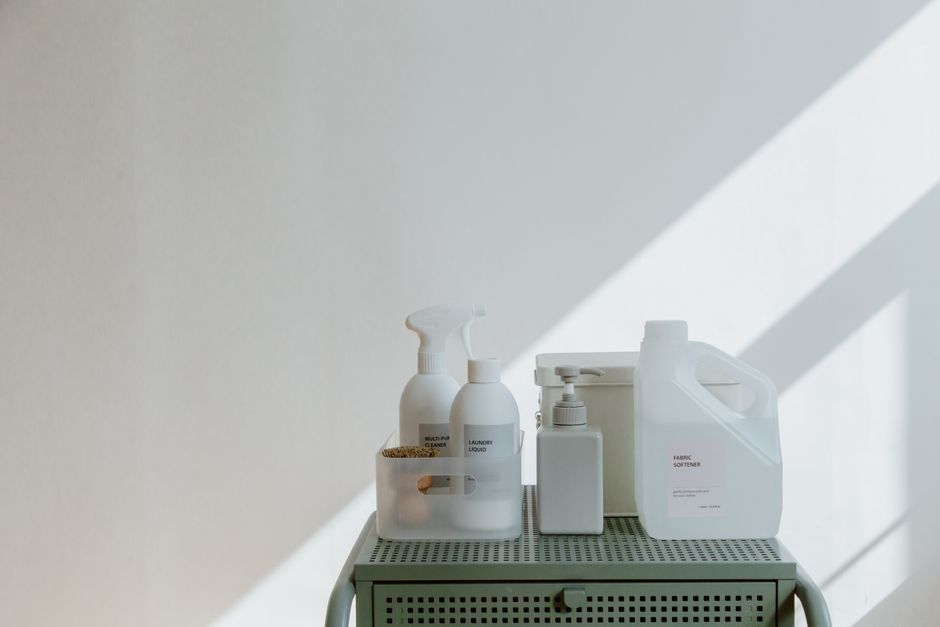
Before starting, gather the necessary supplies: a natural degreaser (either commercial or homemade), soft microfiber cloths, a soft-bristled brush, warm water, and a mild dish soap. Avoid abrasive sponges or scouring pads, as they can scratch the surface. Also, ensure good ventilation in the kitchen during cleaning. The following sections detail the step-by-step method, prevention strategies, and considerations for different cabinet materials. Always follow the manufacturer’s instructions for any commercial products and test any solution on a hidden area first.
Understanding the Nature of Grease and Cabinet Finishes
Grease that accumulates on kitchen cabinets is typically a mixture of cooking oils, fats, and environmental dust. It can polymerise over time, becoming a tough, varnish-like layer that is resistant to simple wiping. The type of cabinet finish plays a crucial role in how grease adheres and how easily it can be removed. Painted surfaces, for instance, may have a porous texture that traps grease, while laminate and melamine are non-porous and generally easier to clean. Wood veneers require gentle care to avoid moisture damage. Understanding these characteristics helps in selecting the appropriate degreaser and cleaning technique. Natural degreasers, such as those containing citrus solvents or alkaline substances like baking soda, can effectively break down grease without stripping the finish. However, their efficacy can be influenced by the concentration and dwell time. It is essential to avoid over-wetting surfaces, especially those made of wood, as excess moisture can cause swelling or discolouration. A balanced approach that combines chemical action with mechanical agitation—using a soft brush or cloth—often yields the best results. Always consider the manufacturer’s recommendations for cleaning specific cabinet materials.
Preparing the Area and Selecting a Natural Degreaser
Proper preparation sets the stage for successful grease removal. Start by clearing the cabinet surfaces of items such as dishes, containers, and decorative objects. This provides unobstructed access to all areas. If the cabinets are above a hob, consider protecting the countertop and floor with old towels or newspapers to catch drips. Next, choose a natural degreaser. You can use a commercial eco-friendly product or make your own by mixing equal parts of white vinegar and water, or by creating a paste with baking soda and water. For citrus-based degreasers, a solution of lemon juice and water can be effective. When using vinegar, be aware that its acidic nature may not be suitable for all finishes, particularly natural stone or certain metals. Always test on an inconspicuous area first. For a more potent natural option, combine warm water with a few drops of mild dish soap and a tablespoon of baking soda. This mixture can help lift grease without harsh chemicals. Remember that natural doesn’t automatically mean safe for all surfaces; research the compatibility with your cabinet material. Additionally, ensure you have soft microfiber cloths and a soft-bristled brush on hand. Microfiber is excellent for picking up grease particles without scratching. A brush can help dislodge grease from crevices and textured surfaces. Good ventilation is also important, as even natural ingredients can produce fumes that may be irritating in confined spaces.
Step-by-Step Method for Removing Stubborn Grease
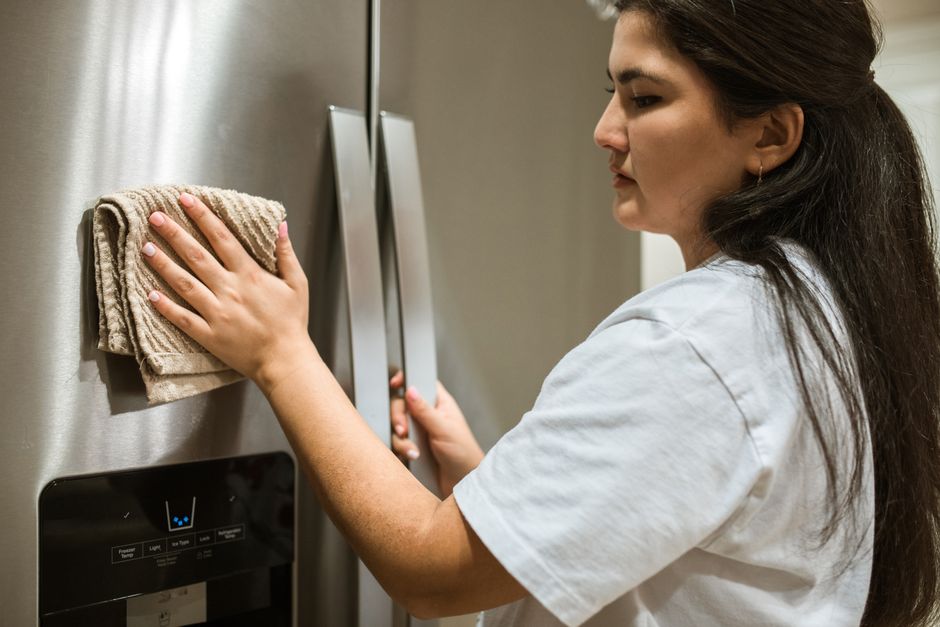
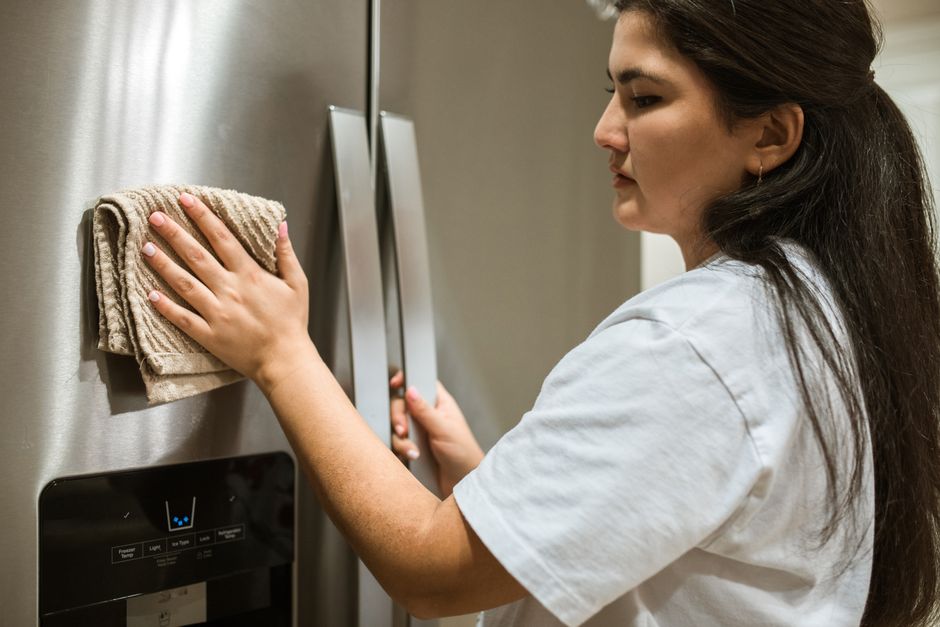
Follow this systematic approach to remove stubborn grease from kitchen cabinets. First, if there is loose dust or debris, wipe the surfaces with a dry microfiber cloth. Then, apply your chosen natural degreaser to a small section at a time. For a vinegar solution, spray it directly onto the surface and let it sit for a few minutes to penetrate the grease. For a baking soda paste, apply it with a cloth or sponge and allow it to dwell for 5–10 minutes. Avoid letting any liquid sit for too long, especially on wood. After the dwell time, use a soft-bristled brush to gently agitate the grease, working in circular motions. Be careful not to scrub too hard, as this can damage the finish. For particularly stubborn spots, you may need to repeat the application. Next, wipe away the loosened grease with a clean, damp microfiber cloth. Rinse the cloth frequently in warm water. If grease remains, reapply the degreaser and repeat the process. Once the grease is removed, wipe the surface with a clean, damp cloth to remove any residue. Finally, dry the cabinets immediately with a dry microfiber cloth to prevent moisture damage. For cabinets with intricate details or crevices, use a soft brush to reach into grooves, then wipe clean. This method may require patience, as heavily soiled cabinets might need multiple passes. Always work in small sections to ensure thorough cleaning and to monitor the effect on the finish.
Prevention Tips and Maintenance for a Grease-Free Kitchen
Preventing grease build-up is easier than removing it. Regular maintenance can keep cabinets looking clean and reduce the need for deep cleaning. After cooking, wipe down cabinet surfaces with a damp cloth and a mild soap solution to remove any fresh grease splatters. This simple habit can prevent grease from hardening. Consider using a splatter guard when cooking fatty foods to minimise airborne grease. Ensure your kitchen extractor fan is functioning effectively and is cleaned regularly; it helps reduce grease particles in the air. For long-term protection, you can apply a thin coat of cabinet wax or polish designed for your cabinet finish. This creates a barrier that makes grease removal easier. However, avoid using wax on laminate or melamine as it may leave a residue. Instead, use a specialised cabinet cleaner that leaves a protective finish. Another tip is to line the area above the hob with a removable splashback or self-adhesive film that can be replaced when soiled. This reduces direct grease contact with cabinets. Additionally, clean your cabinets at least once a month with a natural degreaser to prevent accumulation. If you notice grease starting to build up, address it promptly rather than waiting. Establishing a routine that includes wiping down cabinets after cooking and deep cleaning periodically can help maintain a hygienic and attractive kitchen environment. Remember that prevention is a continuous process, and consistency is key.
Considerations for Different Cabinet Materials and Finishes
Not all cabinet materials respond the same way to cleaning agents. Painted cabinets, especially those with a matte finish, can be sensitive to acidic cleaners like vinegar. In such cases, a mild dish soap solution or a commercial degreaser formulated for painted surfaces is safer. For wooden cabinets, avoid excessive moisture; wring out cloths thoroughly and dry immediately. Laminate and melamine are more durable but can still be damaged by abrasive tools. Always use soft cloths and avoid scrubbing pads. For high-gloss finishes, streak-free results can be achieved by using a solution of water and a small amount of vinegar, followed by buffing with a dry microfiber cloth. Stainless steel cabinets require a different approach; use a degreaser specifically designed for stainless steel and wipe in the direction of the grain. If your cabinets have a special coating, such as anti-fingerprint or soft-close mechanisms, consult the manufacturer’s care instructions. When in doubt, test any cleaning solution on a hidden area, such as inside a cabinet door or on the bottom edge. It is also wise to avoid mixing different cleaning agents, as this can produce harmful fumes. Natural degreasers are generally safe when used appropriately, but always follow the recommended dilution and dwell times. If grease persists despite your efforts, it may be a sign that the finish is worn and requires professional attention. In such cases, consider consulting a cabinet refinishing specialist. Ultimately, the key is to match the cleaning method to the material to avoid damage and achieve effective results.