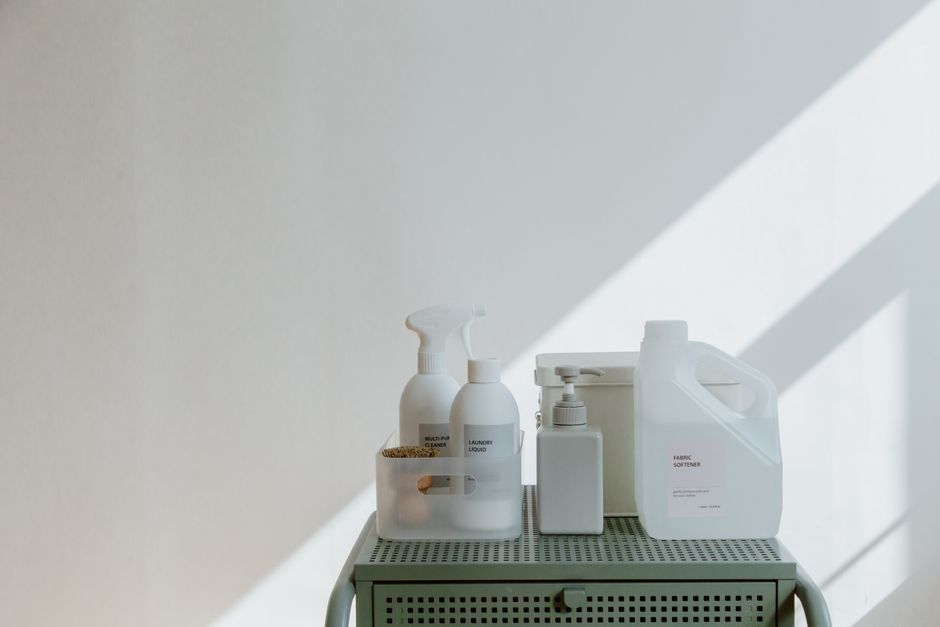
Creating a non-toxic home environment often begins with reevaluating the products used for everyday cleaning. Many conventional cleaners contain complex chemical formulations that can linger on surfaces and in the air. For those interested in a more transparent approach, exploring do-it-yourself (DIY) cleaners based on simple ingredients like vinegar, baking soda, and lemon offers a practical alternative. These substances have been used in domestic cleaning for generations and remain a subject of ongoing interest for individuals seeking to minimise synthetic chemical exposure in their living spaces.
This article outlines several recipes and methods for using these common household items to clean various surfaces. The focus is on the processes involved, the properties of each ingredient, and the contexts in which they are typically applied. It is important to note that while these natural substances can be effective in many situations, their performance depends on factors such as surface type, the nature of the soil, and the specific preparation method. No single approach is universally applicable, and results can vary. The information provided here is for general educational purposes and does not replace professional judgment or specific product instructions.
For families with children and pets, reducing reliance on certain chemical agents may be a consideration. However, it is essential to recognise that even natural ingredients can cause irritation or damage if misused. Therefore, understanding the properties and limitations of each ingredient is crucial before incorporating them into a cleaning routine. The recipes below are intended to serve as a starting point for further exploration and should be adapted to individual circumstances.
Understanding the Core Ingredients
Vinegar, typically in the form of white distilled vinegar, is a mild acid that can help dissolve mineral deposits, soap scum, and some types of grease. Its acidic nature also creates an environment where certain microorganisms may not thrive, although it is not a registered disinfectant. Baking soda, or sodium bicarbonate, is a mild alkali that can act as a gentle abrasive, deodoriser, and lifting agent for burnt-on food. When combined with an acid like vinegar, it produces a fizzing reaction that can help loosen debris in drains and on surfaces. Lemon, containing citric acid, offers similar acidic properties to vinegar and contributes a fresh scent. Its juice can help break down light grease and leave a clean aroma.
Each ingredient has specific strengths and weaknesses. For instance, vinegar can damage natural stone surfaces like marble or travertine because the acid etches the calcium carbonate. Baking soda can be abrasive and may scratch delicate finishes if applied too vigorously. Lemon juice can be phototoxic, meaning it can cause skin reactions when exposed to sunlight, so care is needed when using it on skin or near windows. Understanding these characteristics is the first step in using them safely and effectively.
General Safety Considerations
Before using any DIY cleaner, it is advisable to test it on a small, inconspicuous area to check for adverse reactions. Some surfaces, such as aluminium, may react with acids and discolour. Always ensure good ventilation when working with vinegar, as its odour can be strong. Keep all cleaning solutions out of reach of children and pets, even if they are made from natural ingredients. Store them in clearly labelled containers, preferably in a cool, dark place, and avoid mixing them with other commercial products, as unforeseen chemical reactions can occur.
Recipes for Common Household Surfaces
The following recipes are provided as examples of how these ingredients can be combined. They are not intended as definitive formulations but rather as illustrations of typical proportions and methods. Adjustments may be necessary based on the specific cleaning task and desired outcome.
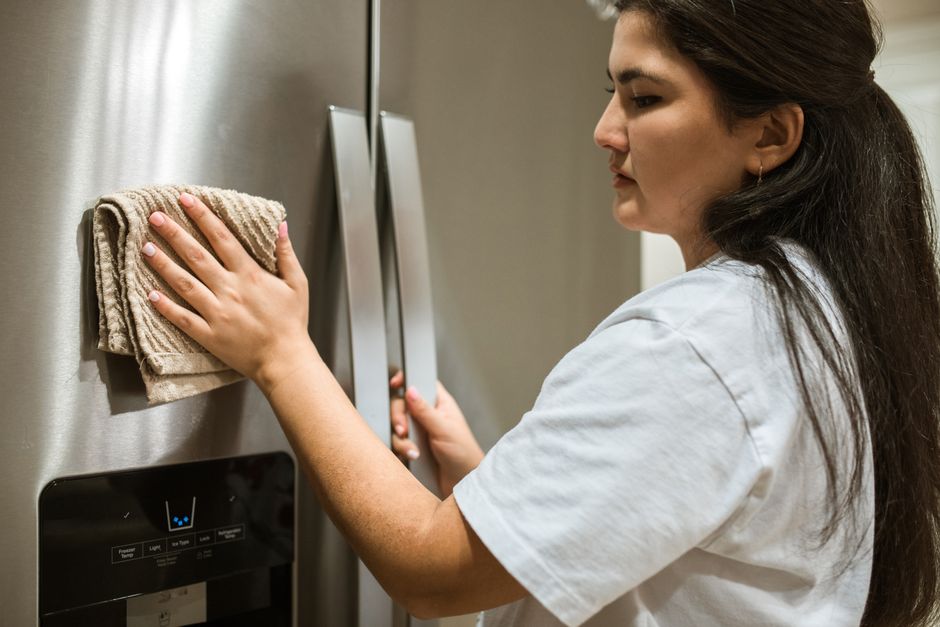
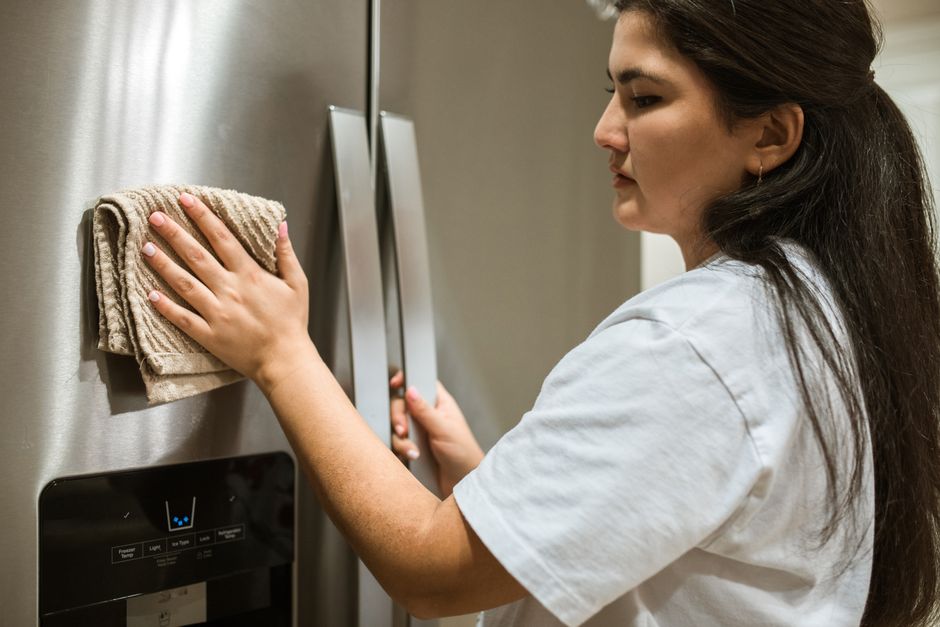
For a general-purpose spray suitable for sealed countertops, tiles, and appliances, combine one part white vinegar with one part water in a spray bottle. Adding a few drops of lemon essential oil or a squeeze of fresh lemon juice can improve the scent. This mixture can be sprayed onto surfaces and wiped with a damp cloth. It is effective for light cleaning and removing water spots. However, it should not be used on natural stone, as mentioned earlier.
For a scouring paste to tackle sinks, bathtubs, and stovetops, mix baking soda with enough water to form a thick paste. For extra cleaning power, add a small amount of liquid castile soap. Apply the paste to the surface, scrub gently with a sponge or brush, and rinse thoroughly. This paste is particularly useful for removing soap scum and light stains. It can also be used on oven doors and baking trays, though for heavy burnt-on grease, a longer soaking time may be required.
For a drain freshener and deodoriser, pour half a cup of baking soda down the drain, followed by one cup of white vinegar. Allow the mixture to fizz for several minutes, then flush with hot water. This can help remove odours and slow-running drains caused by organic buildup. It is not a substitute for mechanical clearing of a severe blockage. For a glass cleaner, mix one part vinegar with four parts water and use a lint-free cloth. This leaves glass and mirrors streak-free in many cases, but avoid using it on tinted windows or car windows with aftermarket films.
Application by Surface Type
Different surfaces require different approaches. Understanding these nuances can help prevent damage and improve cleaning efficiency. Below is an overview of how to adapt the recipes for specific areas.
- Kitchen countertops: For sealed granite, quartz, or laminate, use the vinegar and water spray. For unsealed stone, avoid acids and opt for a pH-neutral cleaner or a mild soap and water solution. Baking soda paste can be used on stainless steel sinks, but always scrub in the direction of the grain.
- Bathroom fixtures: Vinegar spray works well on chrome, porcelain, and ceramic tiles. For grout, a baking soda paste with a small amount of water can be applied and scrubbed with a grout brush. Lemon juice can help remove hard water stains on faucets.
- Floors: For sealed hardwood or laminate, a mixture of one cup of vinegar per gallon of water is often sufficient. For vinyl or linoleum, the same solution can be used. Avoid using vinegar on unsealed wood or stone floors.
- Glass and mirrors: The vinegar and water solution is generally effective. For streak-free results, use a microfibre cloth and buff dry. Avoid using on frosted glass or surfaces with a protective coating.
- Fabric and upholstery: Baking soda can be sprinkled on carpets and upholstery to absorb odours, left for 15 minutes, and then vacuumed. For spot cleaning, a mixture of vinegar and water can be blotted onto stains, but test first in an inconspicuous area.
It is important to note that these suggestions are not exhaustive and that some surfaces may require specialised care. Always consult the manufacturer’s guidelines for specific materials.
Integrating DIY Cleaners into a Routine
Transitioning to DIY cleaners can be a gradual process. Many households start by replacing one product at a time, such as a general-purpose spray or glass cleaner. Over time, they may expand to other areas. Keeping a small stock of vinegar, baking soda, and lemons can simplify this transition. However, it is essential to manage expectations: these cleaners may not perform identically to commercial products in all situations, especially those requiring disinfectant claims.
For disinfection, it is important to recognise that vinegar and lemon juice are not registered disinfectants and may not be effective against all pathogens. In contexts where disinfection is necessary, such as during illness or in high-risk areas, alternative approaches may be warranted. The recipes here focus on general cleaning and maintenance, not on sanitising or disinfecting.
Another consideration is the environmental impact. While these ingredients are biodegradable and generally considered environmentally friendly, their production and transportation also have a footprint. Using locally sourced or bulk ingredients can reduce this impact. Additionally, reducing packaging waste by using reusable spray bottles and containers aligns with the principles of a non-toxic home.
For those interested in further guidance, Hearth & Home offers a range of resources on natural home care, including workshops and informational guides. These can provide additional context and practical tips for those beginning their journey.
Potential Limitations and Considerations
While DIY cleaners offer a transparent and customisable approach, they are not without limitations. As mentioned, they may not be suitable for all surfaces, and their efficacy can vary. Some individuals may find the smell of vinegar unpleasant, though it dissipates as it dries. Others may have sensitivities to essential oils or lemon. It is also worth noting that the time and effort required to prepare these cleaners may be a barrier for some households.
Furthermore, the concentration of active ingredients can vary. For example, the acidity of vinegar can differ between brands and types. This variability can affect cleaning performance. In contrast, commercial products are formulated with consistent concentrations and may include additional surfactants or chelators that enhance cleaning. Therefore, DIY cleaners are best viewed as one option among many, rather than a universal solution.
Finally, it is crucial to store these cleaners properly. Vinegar can leach minerals from certain containers, so glass or food-grade plastic bottles are preferable. Baking soda should be kept dry to prevent clumping. Lemon juice should be used fresh or refrigerated to avoid spoilage. By following these storage guidelines, the shelf life and effectiveness of the cleaners can be maintained.
In conclusion, DIY natural cleaners based on vinegar, baking soda, and lemon present a viable method for those seeking to reduce chemical exposure in the home. They require an understanding of the ingredients’ properties and a willingness to adapt recipes to specific needs. While they may not replace all commercial products, they can form part of a broader strategy for a non-toxic living environment. As with any cleaning approach, individual results will depend on multiple factors, and ongoing evaluation is recommended.