Budget-Friendly Ways to Refresh Your Living Room
Refreshing a living room does not always require a significant financial outlay. Many effective updates focus on small, strategic changes that alter the look and feel of a space without the need for professional renovation. For example, changing slipcovers or adjusting lighting can produce noticeable differences. These approaches are often explored by individuals looking to update their interiors in a manageable way.
This article outlines several budget-friendly methods to refresh a living room. It covers slipcovers, lighting adjustments, DIY decor projects, and other affordable touches like rugs and plants. The focus is on practical steps that can be taken without specialised tools or expertise. Each suggestion is presented as an option that may or may not suit a particular space, depending on factors such as room size, existing furnishings, and personal style.
By considering these ideas, individuals can make informed decisions about which updates align with their goals and resources. The following sections provide detailed explanations of each approach, emphasising a process-oriented and neutral perspective.
Using Slipcovers and Throws for a Quick Update
Slipcovers are a practical way to change the appearance of sofas and chairs without replacing the furniture. They come in various materials, colours, and patterns, allowing for a customised look that can be updated seasonally or as tastes change. A well-fitted slipcover can protect upholstery from wear and tear, extending the life of existing pieces. Many slipcovers are machine washable, which can be convenient for households with children or pets.
When selecting a slipcover, it is important to measure the furniture accurately to ensure a proper fit. Stretchy fabrics may accommodate different shapes, while tailored covers provide a more structured appearance. Throws and blankets can also be used to add colour and texture, draping them over the back or arm of a sofa. This approach is often reversible and low-commitment, making it suitable for renters or those who like to change decor frequently.
In addition to slipcovers, cushion covers can be swapped to introduce new patterns or hues. This is a small change that can have a noticeable impact on the overall look. Mixing and matching covers can create a personalised arrangement that reflects individual style. However, the outcome depends on how well the covers coordinate with the rest of the room.
Adjusting Lighting for a Different Ambience
Lighting plays a key role in how a living room feels and functions. Small adjustments, such as changing lampshades or adding dimmer switches, can alter the mood and usability of the space. For instance, a lighter lampshade may diffuse light more evenly, while a darker one can create a cosier atmosphere. Dimmer switches allow for flexible lighting levels, which can be useful for different activities like reading or entertaining.
Another option is to add or reposition floor and table lamps to improve illumination in specific areas. This can highlight architectural features or create focal points. Using energy-efficient bulbs may also reduce electricity consumption over time, though the actual savings depend on usage patterns and local energy rates.
String lights or fairy lights can be used as decorative accents, especially in alcoves or along shelving. They are generally inexpensive and easy to install. However, it is important to consider safety and avoid overloading electrical outlets. The effect of lighting changes is often contextual, influenced by room size, natural light, and existing fixtures.
Mirrors can also be employed to reflect light and make a room appear larger. Placing a mirror opposite a window can maximise natural light during the day. This is a simple, budget-friendly tactic that requires only a hook or stand. The impact varies depending on the mirror’s size and placement.
DIY Decor Projects and Handmade Touches
Do-it-yourself (DIY) decor projects offer a way to personalise a living room while keeping costs low. Common projects include creating wall art, sewing cushion covers, or upcycling furniture. These activities can be tailored to individual skill levels, from simple no-sew options to more involved woodworking. Many tutorials and resources are available online and in libraries.
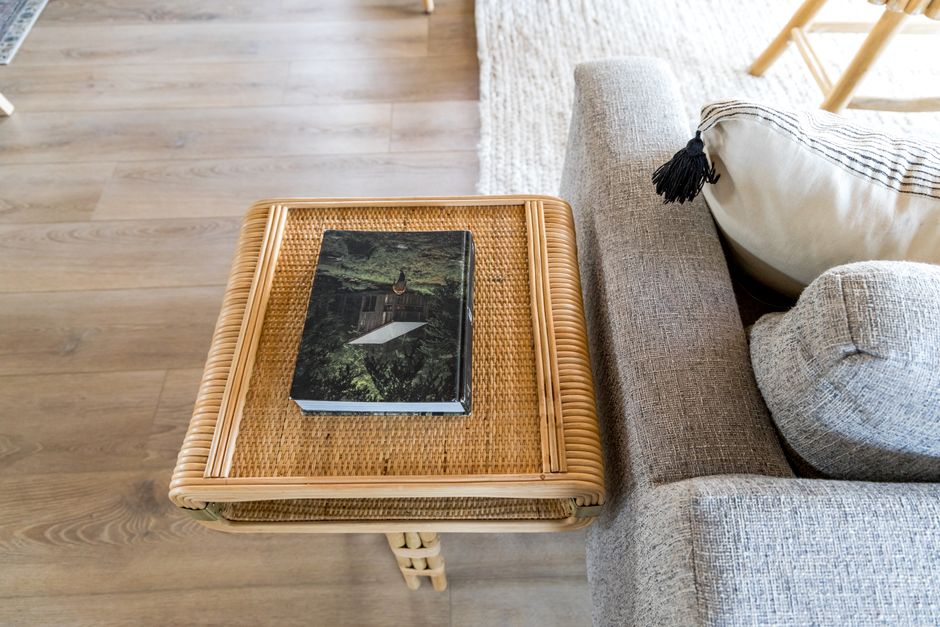
For example, framed fabric or wallpaper samples can be used to make unique wall art. This involves selecting materials, cutting them to size, and placing them in frames. The result is a custom piece that can complement the room’s colour scheme. Similarly, painting a piece of furniture, such as a side table or bookshelf, can give it a new lease of life. It is advisable to prepare surfaces properly and use appropriate paints for the material.
Handmade items like knitted throws or crocheted cushion covers add texture and a personal touch. These projects can be undertaken gradually, making them cost-effective over time. However, the final appearance depends on craftsmanship and the chosen materials. DIY projects are not without risk; mistakes can occur, but they often provide learning opportunities.
Upcycling existing items, such as converting a crate into a side table or using jars as candle holders, is another avenue. This approach aligns with sustainability principles by repurposing items that might otherwise be discarded. The outcomes are variable and depend on creativity and execution.
Affordable Accents: Rugs, Plants, and Wall Art
Rugs can define spaces and add warmth to a living room. Affordable options include flat-woven or synthetic rugs, which may be more durable for high-traffic areas. When choosing a rug, consider size, colour, and material to ensure it fits the room’s dimensions and style. A rug can also help to reduce noise and provide comfort underfoot.
Indoor plants are another budget-friendly addition that can bring a sense of nature indoors. Low-maintenance varieties like snake plants or pothos are often recommended for beginners. Plants can improve air quality and add visual interest, though their health depends on proper care and lighting conditions. Pots can be personalised with paint or fabric for a cohesive look.
Wall art need not be expensive. Printable downloads, postcards, or even children’s artwork can be framed and displayed. Arranging art in a gallery wall format can create a focal point. It is important to consider scale and balance to avoid visual clutter. These accents are easily changeable, allowing for seasonal or mood-based updates.
Organisation and Decluttering as a Refresh Strategy
Decluttering and reorganising a living room can significantly alter its appearance without any financial cost. Removing unnecessary items can make a space feel larger and more inviting. This process involves sorting through belongings, deciding what to keep, donate, or discard, and finding appropriate storage solutions.
Baskets, bins, and shelves can help to corral items like books, magazines, and electronics. Labelling storage can make it easier to maintain order. A place for everything and everything in its place is a principle that can reduce visual noise. However, the effectiveness depends on consistent maintenance.
Rearranging furniture is another no-cost option. Changing the layout can improve traffic flow and create new conversation areas. It is advisable to measure the room and consider focal points like windows or fireplaces. This can be a trial-and-error process, but it is easily reversible.
In some cases, a fresh coat of paint on a single wall can act as a refresh. This is a low-cost project if done personally, but it requires preparation and drying time. The colour choice can influence the room’s atmosphere, so testing samples is often recommended.
Conclusion
Refreshing a living room on a budget involves a series of small, manageable changes rather than a single large expenditure. Slipcovers, lighting adjustments, DIY decor, and affordable accents each offer potential ways to update the space. The suitability of each method depends on individual circumstances, including budget, time, and skill level. By considering these options, individuals can make informed choices that align with their needs and preferences. It is important to remember that results may vary and that no single approach guarantees a specific outcome.