Small Closet Organization Ideas That Actually Work
Organising a small closet can present unique challenges, especially in compact living spaces where every centimetre counts. Many people struggle with overcrowded shelves, tangled accessories, and clothes that seem to multiply overnight. The key to a functional small closet lies not in expensive renovations but in thoughtful planning and the consistent use of space-saving techniques. By understanding the principles of vertical storage and compartmentalisation, you can create a system that keeps your belongings tidy and accessible without feeling cramped.
This article explores practical strategies for maximizing a small closet. It covers the assessment of your current space, the implementation of vertical storage solutions, the use of drawer dividers and other compartmentalisation tools, and methods for maintaining order over time. The focus is on approaches that are adaptable to different closet sizes and personal needs, with an emphasis on sustainability and ease of use. Whether you are dealing with a bedroom wardrobe or a hallway cupboard, these ideas aim to help you make the most of the area you have.
Effective closet organisation is less about the amount of space and more about how that space is utilised. A well-designed system can transform a cluttered area into a streamlined and efficient storage zone.
Assessing Your Closet and Its Contents
Before making any changes, it is helpful to take stock of both the closet itself and the items it holds. Begin by removing everything from the closet and sorting through each piece. This process allows you to see what you actually own and what you use regularly. Consider setting aside items that are out of season, no longer fit, or have not been worn in a year. These can be stored elsewhere or donated, freeing up valuable space. The goal is to reduce the volume of items so that the remaining pieces can be organised more effectively.
Next, evaluate the physical dimensions of your closet. Measure the height, width, and depth of the space, as well as the dimensions of any shelves, rods, or built-in features. Note the location of power outlets, light fixtures, and any obstructions such as pipes or sloped ceilings. This information will guide your choices when selecting storage solutions. For example, a closet with a high ceiling can accommodate additional shelving above the existing rod, while a narrow closet might benefit from slimline hangers and over-the-door organisers.
Finally, think about how you use your closet on a daily basis. Do you need easy access to workwear, or is the closet primarily for seasonal clothing? Are there accessories, shoes, or bags that require dedicated space? Understanding your routines and priorities will help you design a system that supports your lifestyle. For instance, if you dress in a hurry each morning, keeping frequently worn items at eye level and within easy reach can reduce friction. With a clear picture of your space and your habits, you can move on to implementing storage solutions.
Implementing Vertical Storage Solutions
Vertical storage is one of the most effective ways to maximize a small closet. By using the full height of the space, you can create multiple tiers for different categories of items. Start by installing an adjustable shelving system or adding stackable shelves above the existing hanging rod. This allows you to store folded clothes, shoes, and boxes in the upper areas, keeping the floor clear. For items that are used less frequently, such as seasonal decorations or spare bedding, the highest shelves can serve as long-term storage.
Another vertical option is to use hanging organisers that attach to the closet rod. These fabric or mesh units have multiple pockets and can hold accessories, socks, or even shoes. They make use of the vertical space below the rod, which is often wasted. Similarly, over-the-door organisers can be hung on the inside of the closet door, providing additional pockets for small items. These solutions are particularly useful in rented accommodation where permanent modifications are not possible.
When arranging items vertically, consider the weight and frequency of use. Heavier items should be stored on lower shelves for safety and ease of access, while lighter items can go higher. Clear storage bins or labelled boxes can help you identify contents without having to move everything. If you have a collection of shoes, a tiered shoe rack can keep them organised and visible. By thinking in layers, you can significantly increase the storage capacity of your closet without expanding its footprint.
Using Drawer Dividers and Compartmentalisation
Drawer dividers are essential for keeping small items tidy and preventing them from becoming a jumbled mess. In a small closet, drawers are often shallow and wide, making it easy for items to spread out and become disorganised. Adjustable dividers allow you to create custom compartments that fit your specific needs. For example, you can designate sections for underwear, socks, and accessories, ensuring that each item has a designated home. This not only makes it easier to find things but also helps maintain order over time.
Beyond traditional dividers, consider using drawer inserts with multiple small compartments for jewellery, watches, or hair accessories. These inserts can be placed inside a drawer to keep delicate items separated and protected. For deeper drawers, stackable dividers or modular trays can create two layers of storage, effectively doubling the usable space. When selecting dividers, choose materials that are easy to clean and durable, such as plastic or bamboo. Measure the internal dimensions of your drawers before purchasing to ensure a proper fit.
Compartmentalisation can also extend to shelves and hanging spaces. Shelf dividers can be used to separate stacks of folded clothes, preventing them from toppling over. In hanging areas, clip-on dividers or labelled tags can help categorise garments by type or colour. For accessories like scarves or belts, a hanging belt rack or a scarf hanger with multiple loops can keep them accessible and untangled. The principle is to create boundaries that make it easy to retrieve and return items, reducing the likelihood of clutter accumulating.
Maintaining Order and Adapting Over Time
Once you have implemented your organisation system, the challenge is to maintain it. Regular maintenance is key to preventing a relapse into clutter. Set aside a few minutes each week to tidy up and put items back in their designated places. This small habit can make a significant difference in keeping the closet functional. Additionally, conduct a seasonal review to reassess what you own and what you need. As seasons change, rotate your wardrobe so that current items are easily accessible while off-season clothing is stored away.
Adapt your system as your needs evolve. If you find that a particular compartment is no longer working, adjust it. The beauty of modular storage solutions is that they can be reconfigured without major effort. Perhaps you need more space for shoes or fewer dividers for accessories; simply move things around. Stay flexible and be willing to try different arrangements until you find what works best for you. Remember that organisation is a personal process, and what works for one person may not work for another.
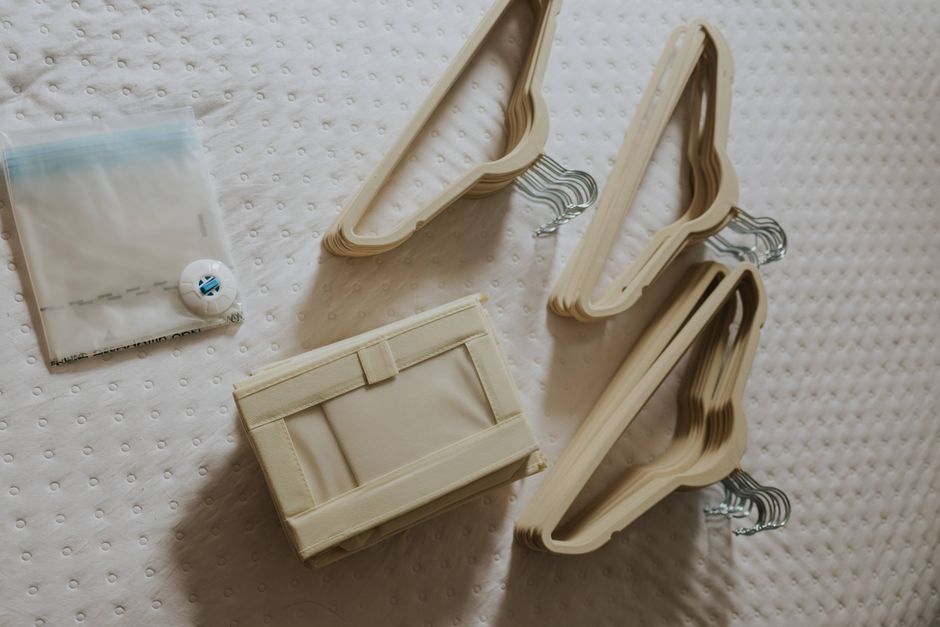
Finally, consider the aesthetic and psychological aspects of your closet. A well-organised space can be visually calming and make your daily routine more pleasant. Use matching hangers and consistent storage containers to create a cohesive look. If your closet lacks natural light, a small battery-operated light can help you see items clearly. By treating your closet as a functional and pleasant space, you are more likely to keep it organised. With a bit of planning and consistent effort, even the smallest closet can become an efficient and tidy storage area.